
When you live in Georgia, you’re no stranger to sticky summers, afternoon thunderstorms, and that thick blanket of humidity that hangs in the air from May through September (and sometimes beyond). While it may just feel like a part of Southern living, humidity can quietly wreak havoc on one of the biggest investments in your home: your floors.
Whether you’re renovating your home, upgrading for resale, or building from scratch, understanding how moisture affects flooring is key to avoiding costly mistakes. At Trending Floors, we’ve seen firsthand what happens when the wrong flooring meets a Georgia summer—and we’re here to help you get it right the first time.
☁️ How Humidity Affects Flooring (The Stuff No One Talks About)
Most homeowners know to avoid water spills and flooding—but humidity is a silent threat that causes gradual damage. Here’s how it works:
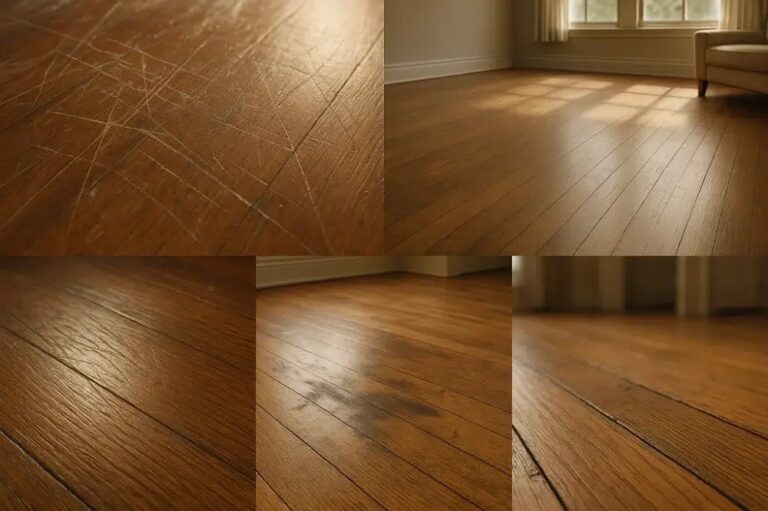
• Wood flooring (especially solid hardwood) expands when it absorbs moisture and contracts when it dries. That constant movement can cause:
• Cupping (edges rise)
• Crowning (center swells)
• Gapping (spaces between planks)
• Laminate and cheap LVP can delaminate or bubble if moisture seeps in.
• Subfloors can grow mold and mildew if not properly prepped or sealed.
• Even tile floors can suffer if the grout or underlayment traps moisture.
The damage often doesn’t show up immediately—but once it does, it’s expensive to fix and nearly impossible to reverse.
🧱 Best Flooring Materials for Humid Climates Like Georgia
Not all flooring is created equal—especially when it comes to moisture resistance. Here’s what we recommend (and what we avoid) based on years of hands-on experience in Georgia homes:
✅ Top Choices:
1. Luxury Vinyl Plank (LVP)
• 100% waterproof (check for SPC or WPC core)
• Affordable, stylish, and stable
• Ideal for basements, kitchens, bathrooms, and even living rooms
2. Porcelain or Ceramic Tile
• Non-porous and extremely moisture-resistant
• Great for bathrooms, mudrooms, and laundry areas
• Can feel cold underfoot—consider adding rugs or radiant heat
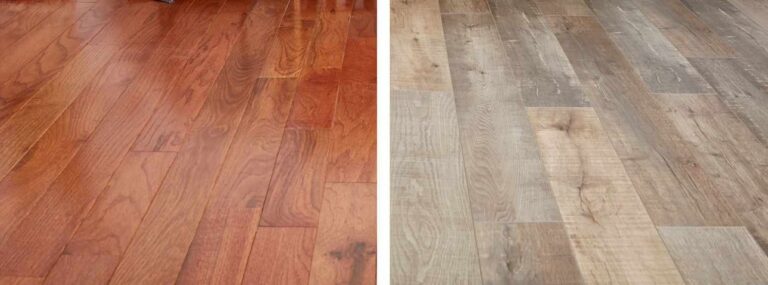
3. Engineered Hardwood
• Real wood veneer over a stable, layered plywood core
• Less expansion/contraction than solid wood
• A good compromise between natural beauty and performance
⚠️ Flooring to Be Cautious With:
• Solid Hardwood – Beautiful, but very sensitive to moisture. Only install if your home has good humidity control and the wood is properly acclimated.
• Laminate – Often marketed as water-resistant, but not waterproof. Water can still seep into seams and cause warping over time.
• Carpet – Mold-prone in basements or poorly ventilated areas. Best suited for upper-level bedrooms only if airflow is good.
🛠️ Pro Tips for Installation in Humid Areas
Material choice is only half the battle. The installation process plays a huge role in how your floors hold up in Georgia’s climate. Here’s how we protect your investment at Trending Floors:
1. Acclimate the Flooring
We let your flooring material sit inside your home (usually 48–72 hours) before installation to let it adjust to your home’s humidity levels. This prevents swelling or shrinking after install.
2. Use Moisture Barriers
Especially on concrete slabs or basement installs, a proper moisture barrier is a must. We use high-quality underlayments or subfloor sealers to block water vapor.
3. Test the Subfloor Moisture
Before installation, we check the moisture content in the subfloor using professional-grade meters. If moisture levels are too high, we address it before installing anything.
4. Leave Expansion Gaps
We always leave expansion space along walls and under baseboards. This allows the flooring to naturally expand and contract without buckling.
💧 Maintenance Tips: Keeping Floors Healthy Year-Round
Even with the best flooring and installation, Georgia humidity is persistent. Here’s how you can protect your floors long-term:
• Use dehumidifiers in damp areas like basements and lower levels.
• Install ventilation fans in bathrooms and laundry rooms.
• Clean up spills and water immediately—even on waterproof flooring.
• Avoid steam mops. Use a lightly damp microfiber mop instead.
• Maintain your HVAC system to regulate indoor humidity (aim for 35–55% RH).
• Use door mats and rugs in entryways to reduce water tracked inside during rainy days.
🌟 Real Talk from Trending Floors
At Trending Floors, we’ve installed flooring in every condition Georgia throws at us—wet basements, humid kitchens, sun-soaked living rooms, and more. We know which materials last and which ones fail. And we know how to install them right the first time.
If you’re planning a renovation or dealing with damaged floors from moisture issues, we’ll give you honest recommendations and expert installation tailored to your home, budget, and environment.
✅ In Summary: Flooring Success Starts with Climate-Smart Choices
Choosing the right floors isn’t just about color, style, or price—it’s about knowing how your environment will affect them long-term. In humid regions like Georgia, moisture and seasonal humidity fluctuations are your floor’s silent enemy. But with the right material, a proper installation process, and some simple maintenance habits, you can enjoy durable, beautiful floors for years to come.
At Trending Floors, we’re not here to sell you a quick fix—we’re here to guide you through a lasting solution tailored to your home, your lifestyle, and your local climate.
📞 Ready to Talk About Your Flooring Project?
Whether you’re:
• Upgrading your home for comfort or resale
• Replacing floors damaged by moisture
• Choosing materials for a rental or flip project
We’re ready to help you make the smartest, most durable choice.
✅ Free estimates
✅ Transparent pricing
✅ Expert installation team
✅ Contractor pricing available
✅ Showroom options available
👉 Call or text us today to schedule your consultation.
📍 Serving the Metro Atlanta Area
📞 404-944-2548