When it comes to choosing new flooring, most homeowners focus on style and budget. But there’s another factor that’s just as important: how long your floors will actually last. Different flooring types vary greatly in durability, maintenance needs, and long-term value. At Trending Floors, we believe an educated customer makes the best decisions, so let’s break down the average lifespans of today’s most popular flooring options — and what you can do to maximize their longevity.
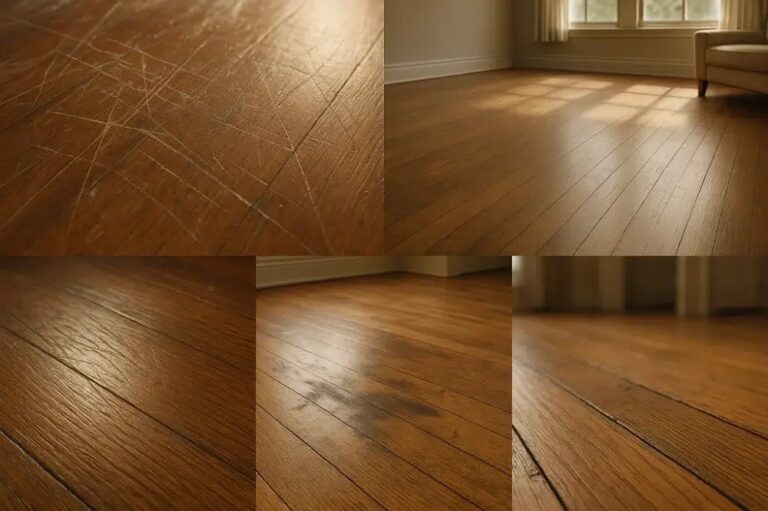
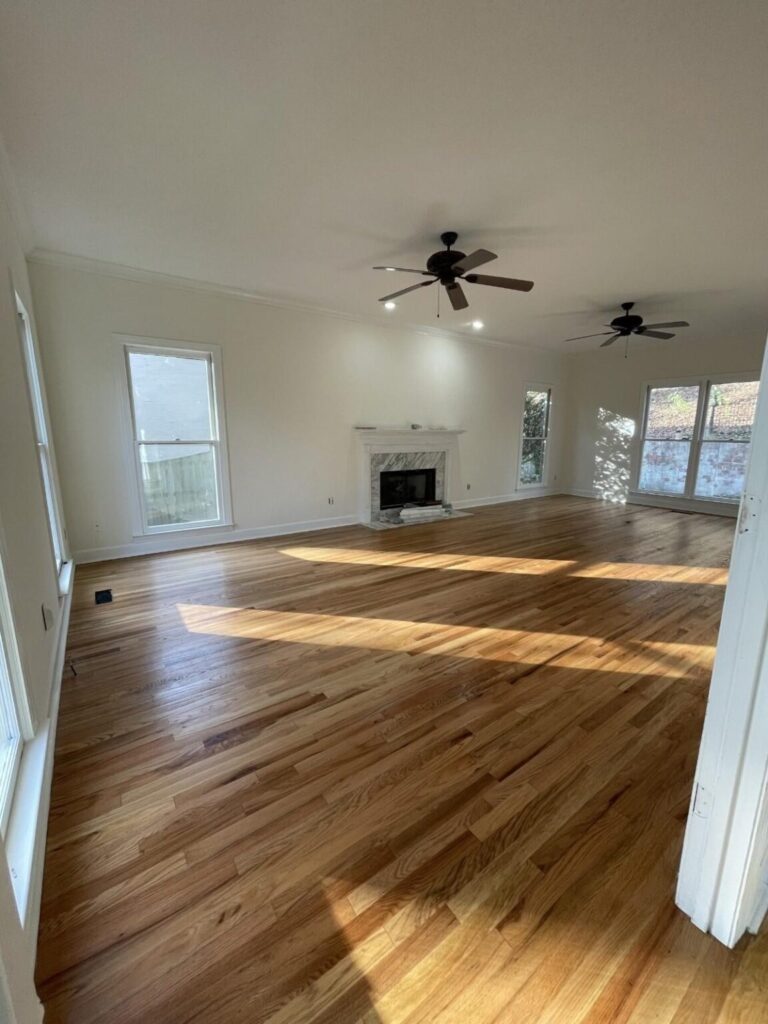
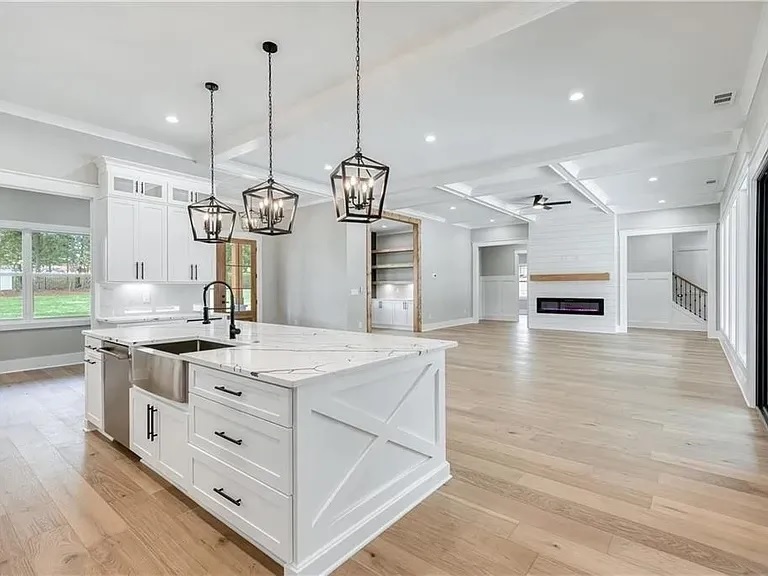
1. Hardwood Flooring Lifespan: 30–100 Years
Hardwood floors are built to last. With proper care, they can outlive almost every other flooring material on the market.
• Solid Hardwood:
• Average lifespan: 50–100 years
• Can be sanded and refinished multiple times.
• Dents, scratches, or dull finishes can be restored instead of replaced.
• Engineered Hardwood:
• Average lifespan: 20–40 years
• Has a thinner hardwood layer, so it can only be refinished once or twice.
• More resistant to moisture than solid hardwood, making it better for certain areas.
Maintenance Tips for Longevity:
• Refinish every 7–10 years depending on wear.
• Keep floors clean and dry; avoid standing water.
• Use felt pads under furniture to prevent scratches.
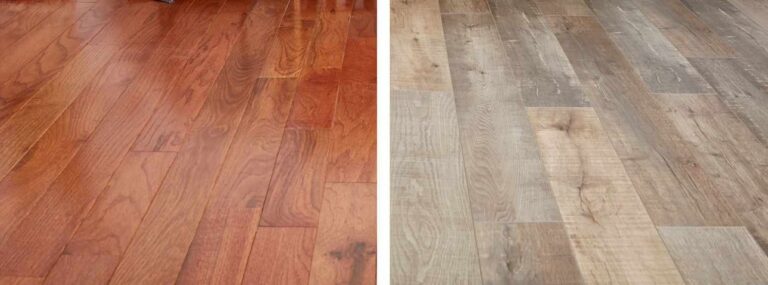
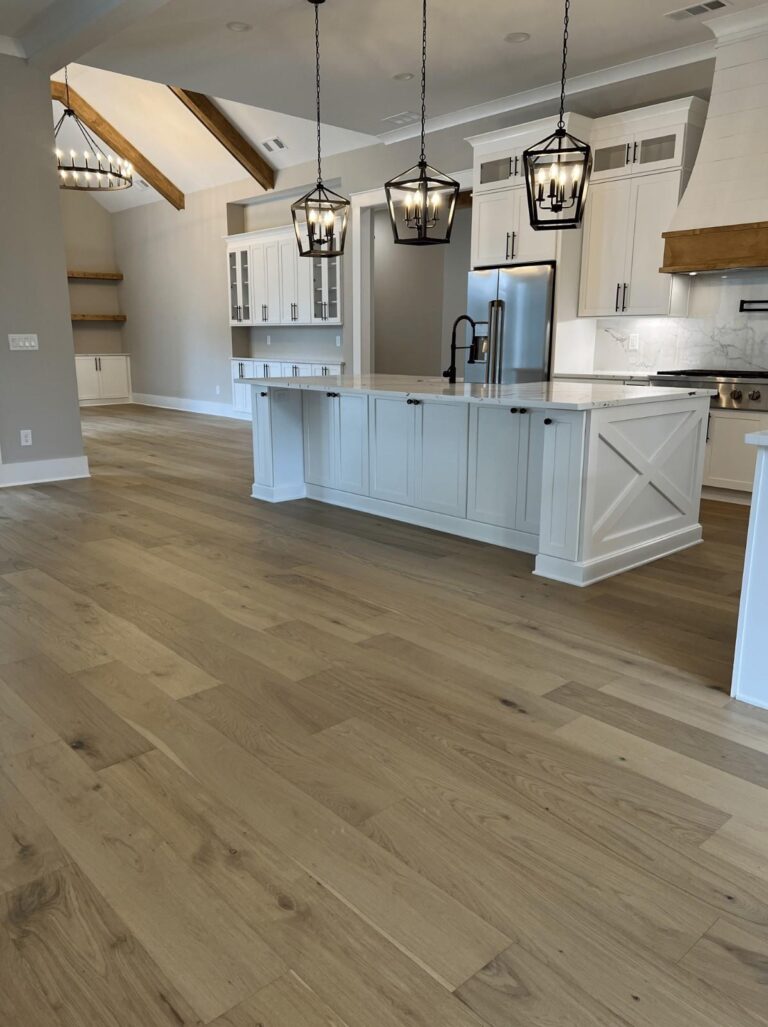
2. Luxury Vinyl Plank (LVP) Lifespan: 10–25 Years
LVP has become one of the fastest-growing flooring choices in Georgia homes thanks to its affordable cost, waterproof qualities, and stylish designs.
• Standard LVP:
• Average lifespan: 10–15 years
• Thinner wear layers are more prone to scratches.
• High-Quality LVP:
• Average lifespan: 20–25 years
• Thicker wear layers (20–30 mil) withstand heavy foot traffic.
• Perfect for families with kids and pets.
Maintenance Tips for Longevity:
• Sweep regularly to prevent scratching.
• Use mats at entrances to trap dirt and grit.
• Avoid dragging heavy furniture without protection.
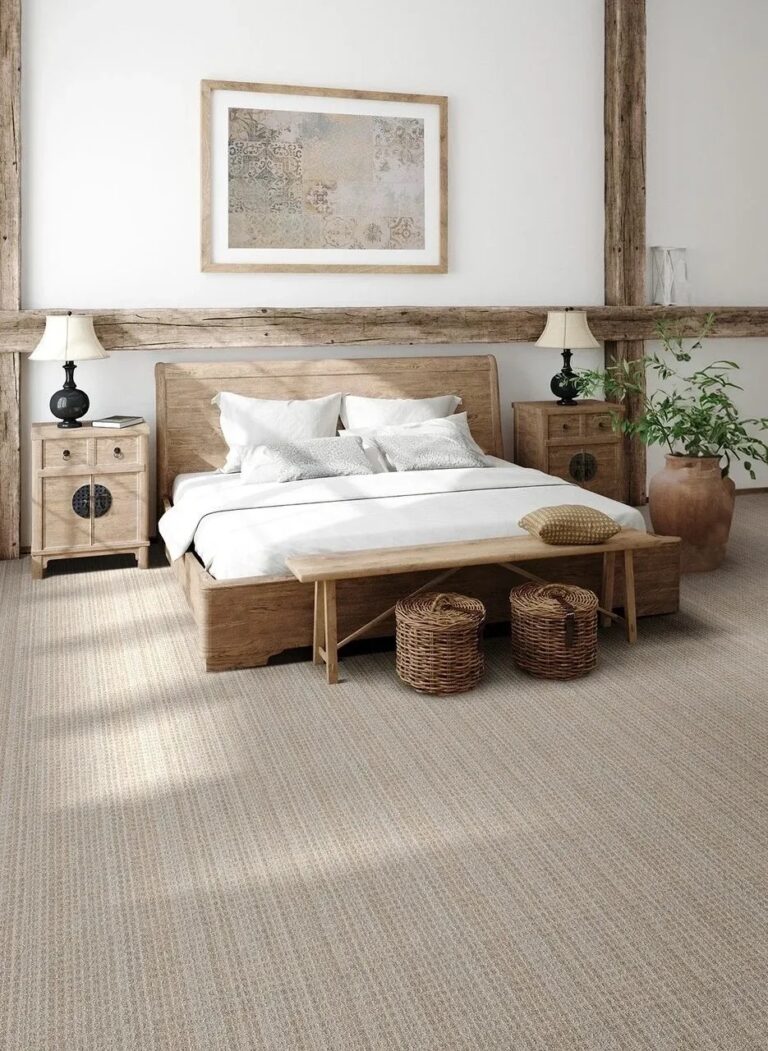
3. Carpet Lifespan: 5–15 Years
Carpet provides warmth, comfort, and noise reduction, but it doesn’t last as long as hard-surface flooring.
• Low-Quality Carpet:
• Average lifespan: 5–8 years
• Fibers crush easily and stains set in quickly.
• High-Quality Carpet:
• Average lifespan: 10–15 years
• Dense fibers and stain-resistant technology improve durability.
Maintenance Tips for Longevity:
• Vacuum at least twice per week.
• Professional cleaning every 12–18 months.
• Address spills immediately to prevent permanent stains.
4. Tile Flooring Lifespan: 50+ Years
Tile is one of the most durable flooring choices available. With proper installation and maintenance, tile floors can last a lifetime.
• Ceramic Tile:
• Average lifespan: 30–50 years
• Affordable and long-lasting but can chip under heavy impact.
• Porcelain Tile:
• Average lifespan: 50+ years
• Denser and more durable than ceramic.
• Excellent for bathrooms, kitchens, and high-moisture areas.
Maintenance Tips for Longevity:
• Clean grout regularly to prevent discoloration.
• Replace cracked tiles promptly to prevent water damage.
• Use mats in heavy traffic areas to protect grout lines.
5. Epoxy Flooring Lifespan: 10–20 Years
Epoxy is a specialty flooring option often used in garages, basements, and commercial spaces.
• Average lifespan: 10–20 years depending on thickness and use.
• Resistant to chemicals, stains, and heavy wear.
• Creates a seamless, modern finish.
Maintenance Tips for Longevity:
• Clean spills quickly, especially oil and chemicals.
• Avoid dragging sharp objects across the surface.
• Reapply topcoat every 5–7 years for maximum durability.
6. Laminate Flooring Lifespan: 10–25 Years
Laminate flooring offers the look of hardwood at a lower price point.
• Standard Laminate:
• Average lifespan: 10–15 years
• Prone to moisture damage if not properly sealed.
• High-Quality Laminate:
• Average lifespan: 20–25 years
• More scratch-resistant, but still not waterproof.
Maintenance Tips for Longevity:
• Keep dry — avoid standing water.
• Use rugs in high-traffic areas.
• Sweep often to prevent surface scratches.
How to Choose the Right Flooring for Long-Term Value
When selecting flooring, don’t just consider the upfront cost. Think about:
• Longevity vs. Budget: Sometimes spending more now saves money over time.
• Maintenance Commitment: Some floors (like hardwood) last longer but require refinishing.
• Lifestyle Needs: Families with kids and pets often prefer LVP or tile for durability.
• Resale Value: Hardwood and tile tend to increase home value the most.
Conclusion
Flooring is one of the biggest investments you can make in your home, and understanding how long different options last helps you make the smartest choice. Whether you want the timeless elegance of hardwood, the practicality of LVP, or the unmatched durability of tile, Trending Floors can help you find the perfect match for your lifestyle and budget.
📞 Ready to upgrade your floors? Contact Trending Floors today for a free consultation and expert guidance. (404)944-2548