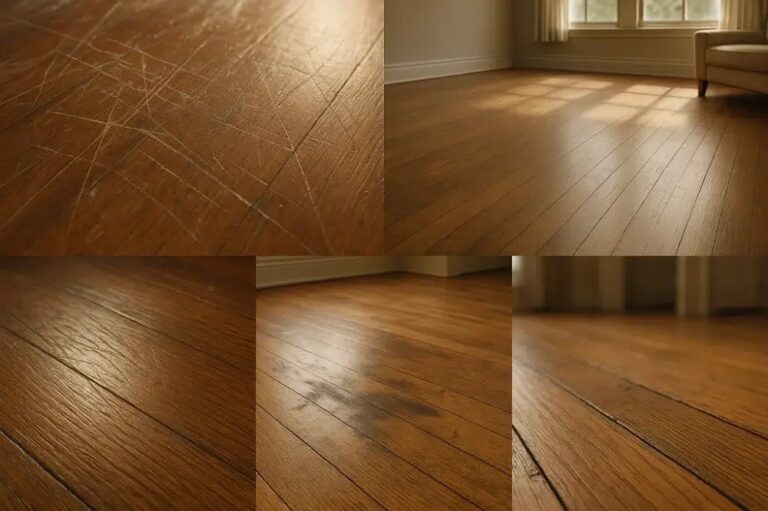
When it comes to refinishing hardwood floors, choosing the right type of finish can greatly impact the final look, durability, and maintenance of your floors. Two popular options are polyurethane water-based and oil-based finishes. In this blog post, we’ll explore the differences between these two finishes to help you make an informed decision for your hardwood floor refinishing project.
Polyurethane Water-Based Finish:
Polyurethane water-based finishes have gained popularity due to their quick drying time, low odor, and environmentally-friendly properties. Here are some key characteristics of water-based finishes:
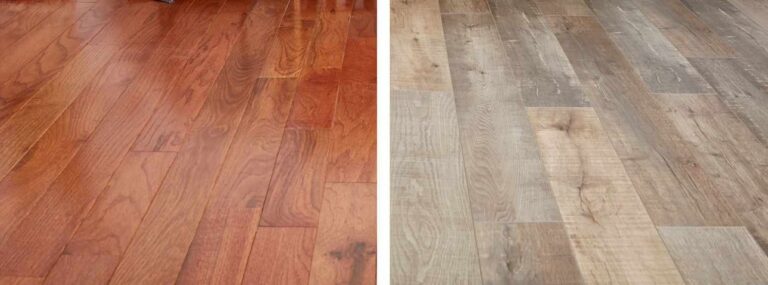
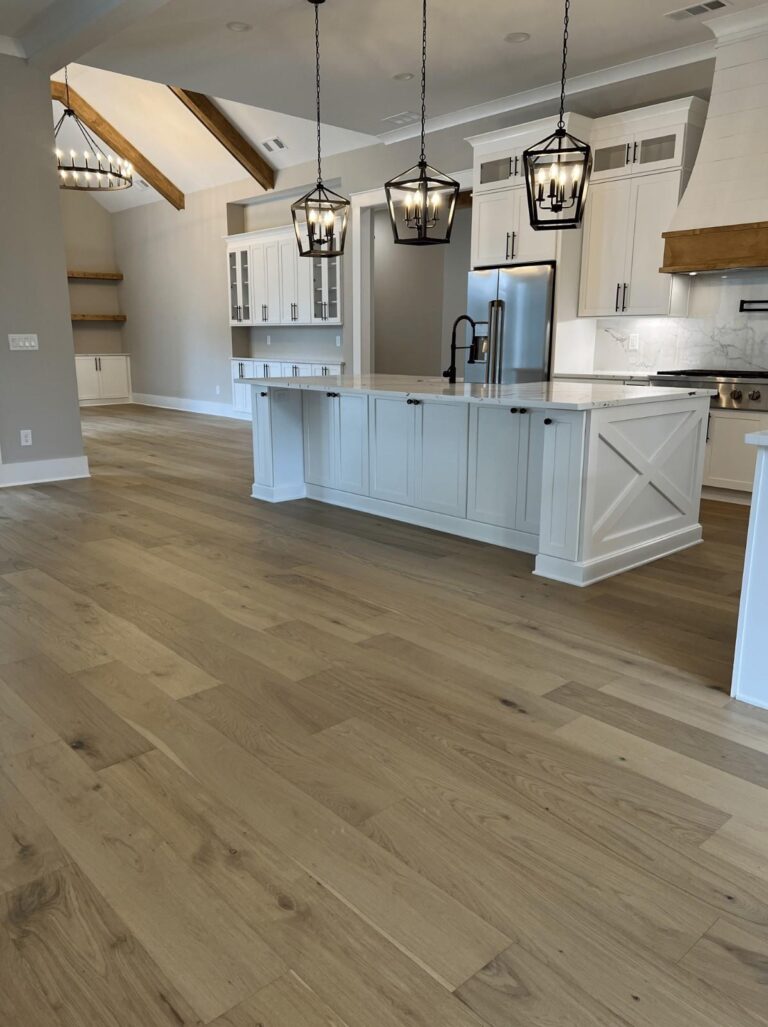
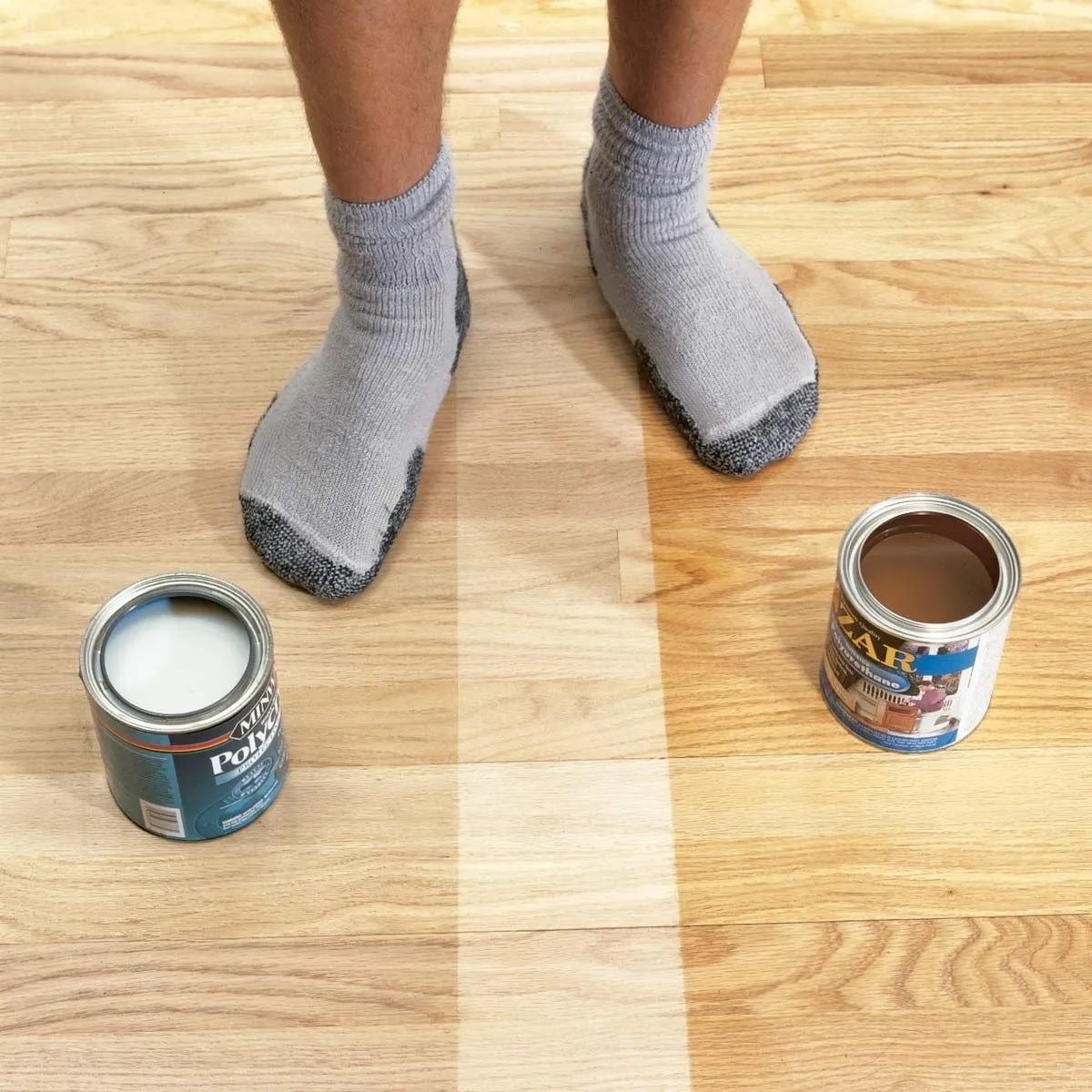
1. Appearance: Water-based finishes typically provide a clear, more natural appearance, allowing the wood’s natural color and grain to shine through without adding an amber hue.
2. Drying Time: Water-based finishes dry much faster than oil-based finishes, often within a few hours. This can be advantageous for projects that require quicker completion times.
3. Odor: Water-based finishes emit minimal fumes and have a milder odor compared to oil-based options, making them more suitable for indoor applications.
4. Durability: While water-based finishes are durable, they may require more frequent maintenance and recoating compared to oil-based finishes.
5. Color Retention: Water-based finishes tend to maintain their color well over time, resisting yellowing or darkening that can occur with some oil-based finishes.
Oil-Based Finish:
Oil-based finishes have been used for many years and are known for their durability and rich, traditional appearance. Here’s what you need to know about oil-based finishes:
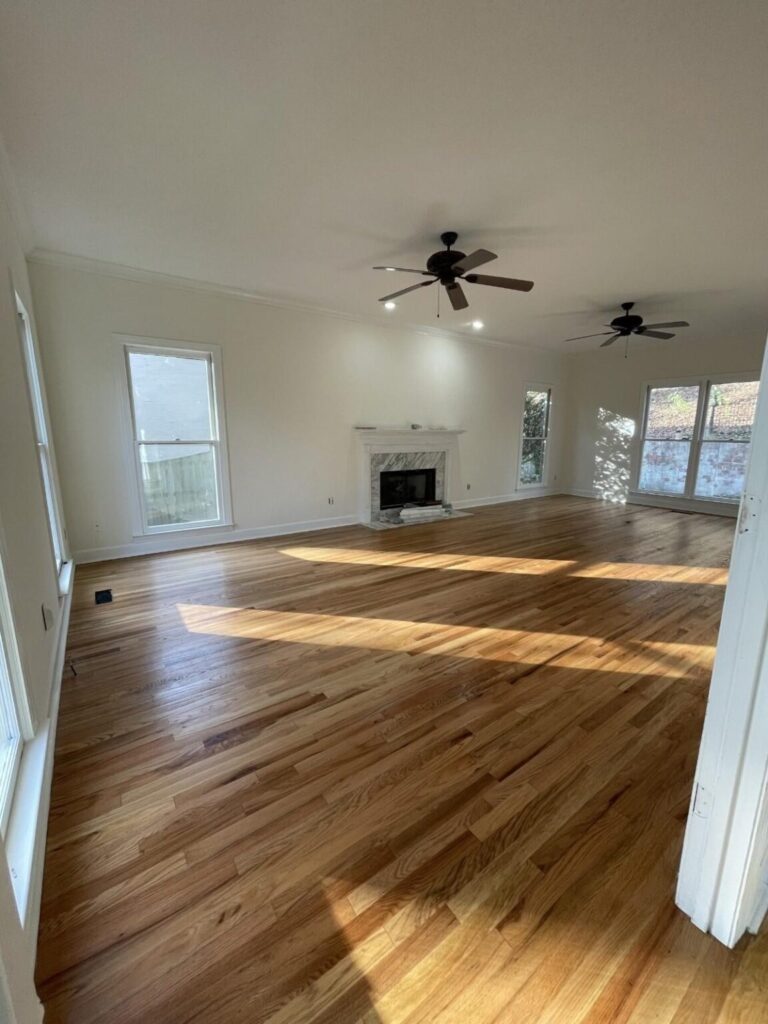
1. Appearance: Oil-based finishes add a warm, amber tint to the wood, enhancing its natural beauty. This can create a classic, timeless look.
2. Drying Time: Oil-based finishes typically have a longer drying time, often requiring 24 to 48 hours between coats. This can extend the overall refinishing process.
3. Odor: Oil-based finishes emit stronger fumes during application and drying, requiring proper ventilation. It’s important to consider the impact on indoor air quality.
4. Durability: Oil-based finishes are known for their exceptional durability and resistance to wear and tear. They may require less frequent maintenance compared to water-based finishes.
5. Color Changes: Over time, some oil-based finishes may darken or amber with age, altering the original color of the wood.
Choosing the Right Finish:
Ultimately, the choice between polyurethane water-based and oil-based finishes depends on your preferences and priorities. If you value a quick-drying, clear finish that is environmentally-friendly, a water-based finish might be the right choice. On the other hand, if you’re seeking a more traditional, amber-toned finish with enhanced durability, an oil-based finish might better suit your needs.
Before making a decision, consider factors such as drying time, odor sensitivity, maintenance requirements, and the desired appearance of your hardwood floors. Consulting with a professional or seeking expert advice can help you make an informed choice that aligns with your aesthetic and practical preferences. wood floor refinishing near me hardwood refinishing near me